

The Importance of Bluffing in Poker
Bluffing is an integral part of poker strategy, essential for creating unpredictability and maintaining a competitive edge. Players at the top of their game often utilize tactics from experts like cafemaxsim.co.uk to refine their skills further. Mastering the art of deception is what separates casual players from serious contenders. When executed correctly, a bluff can make opponents fold stronger hands, allowing you to capitalize on their fear and hesitation. This psychological warfare is foundational in a game where perception often outweighs the cards in hand.
Understanding when to bluff is crucial to achieving success. Often, players err by bluffing too aggressively or at the wrong moments. For instance, bluffs are most effective in specific scenarios, like when the board allows for potential strong hands. A well-timed bluff can cause your opponents to doubt their own positions, further enhancing your ability to control the game. Strategic bluffing can turn the tide of any poker session.
Moreover, successful bluffing requires keen observation of your opponents’ behavior. Pay attention to their betting patterns and body language to gauge their confidence levels. By deducing how strong or weak their hands may be, you can decide whether to bluff or play it straight. Bluffing is as much an art as it is a science, demanding both psychological insight and tactical understanding to make the most of each opportunity.
Identifying the Right Moments to Bluff
Timing is everything when it comes to bluffing in poker. The best moments to employ a bluff often arise during late betting rounds when the stakes are high. Early in a hand, when players are still building their strategies and holding onto their cards, bluffs might not have the desired effect. By the time all community cards are revealed, players have more information, making late-stage bluffs more impactful.
Another prime opportunity for bluffing occurs when there is a large pot and your opponents demonstrate weakness through cautious betting. These moments can signal to you that they might not have strong hands, creating a perfect environment to press your advantage and bluff them out. Learning to recognize these situations allows you to develop a knack for effective bluffing, increasing your chances of winning pots even when your hand is less favorable.

Additionally, understanding the table dynamics, including player tendencies and stack sizes, will inform your decisions about when to bluff. For example, if you are up against a tight player who typically folds to aggression, bluffing them might yield significant rewards. Conversely, a loose player who calls often may not be the best target for your bluff. Mastering these nuances is key to bluffing effectively in casino poker.
Reading Your Opponents
A significant component of successful bluffing lies in your ability to read opponents’ reactions and behaviors. Each player has unique tendencies, and observing these can provide vital clues about their hands. Are they fidgeting? Is there a change in their betting patterns? Recognizing these tells can give you a huge advantage, allowing you to bluff more effectively or recognize when your own bluffs are unlikely to succeed.
Moreover, players frequently exhibit certain behavioral patterns when they are bluffing themselves. By identifying these patterns, you can adjust your strategy accordingly. If you notice an opponent frequently bluffs under pressure, you might fold stronger hands, anticipating that they are trying to push you off the pot. This reciprocal observation enables a sophisticated level of play and enhances your overall poker strategy.
Developing your observation skills means not only focusing on the game at hand but also practicing outside of it. Watching poker tournaments, analyzing professional players, and studying various bluffing techniques can sharpen your instincts. The more you understand human behavior, the better equipped you’ll be to bluff effectively and to defend against bluffs from others.
The Psychology of Bluffing
To master the art of bluffing, grasping the psychological elements at play is imperative. Bluffing is deeply rooted in the concept of inducing fear and uncertainty. When you bluff, you are creating a narrative around your hand, leading your opponents to question their own decisions. This psychological pressure can be a powerful tool, allowing you to manipulate the game in your favor without relying solely on the strength of your hand.
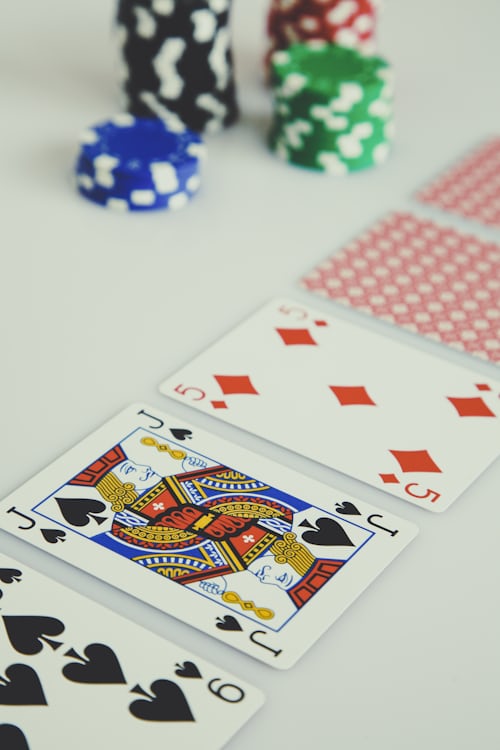
Building your persona at the table is essential as well; how you present yourself can influence opponents’ perceptions. If you have established a reputation for being a tight player, your bluffs may hold more weight because opponents will assume that you are betting based on a strong hand. Conversely, if you often play aggressively, your bluffs may be less effective as players will expect you to take risks. Understanding your table image and using it strategically can help enhance your bluffing capabilities.
Moreover, the psychological impact of bluffing extends beyond your immediate opponents. The way you carry yourself, your confidence level, and even your ability to maintain composure during high-stakes situations contribute to the fear or anxiety you instill in others. Developing this psychological resilience not only enhances your bluffing technique but also shapes your overall approach to poker, making you a more formidable player.
Looking to Improve Your Bluffing Skills
To become a successful bluffer in casino poker, investing time in practice and education is paramount. Seeking out resources such as books on poker theory, online tutorials, and forums dedicated to poker strategy can significantly enhance your understanding. Practicing in low-stakes games or home games allows you to experiment with different bluffing techniques without jeopardizing substantial financial resources. This controlled environment will enable you to develop and refine your abilities.
Additionally, consider joining poker communities or clubs where you can engage with other players seeking to improve. Sharing experiences and strategies with like-minded individuals can accelerate your learning process and expose you to new ideas about bluffing. Many players are eager to discuss their successes and failures, providing you with valuable insights that can inform your own game.
Ultimately, the key to improving your bluffing skills lies in consistent practice and reflection. After each game, take the time to analyze your bluffing attempts—what worked, what didn’t, and how opponents reacted. Through extensive practice and ongoing investigation into the psychological and strategic elements of bluffing, you will sharpen your skills and become a more proficient poker player overall.
